Crawl Space Mold Removal in Sand Point, WA
Mold removed from framing and damaged insulation beneath your Sand Point home. Call 24/7 to start your crawl space assessment and cleanup.
- Joists and subfloor checked
- Containment and HEPA filtration
- Moisture correction planned
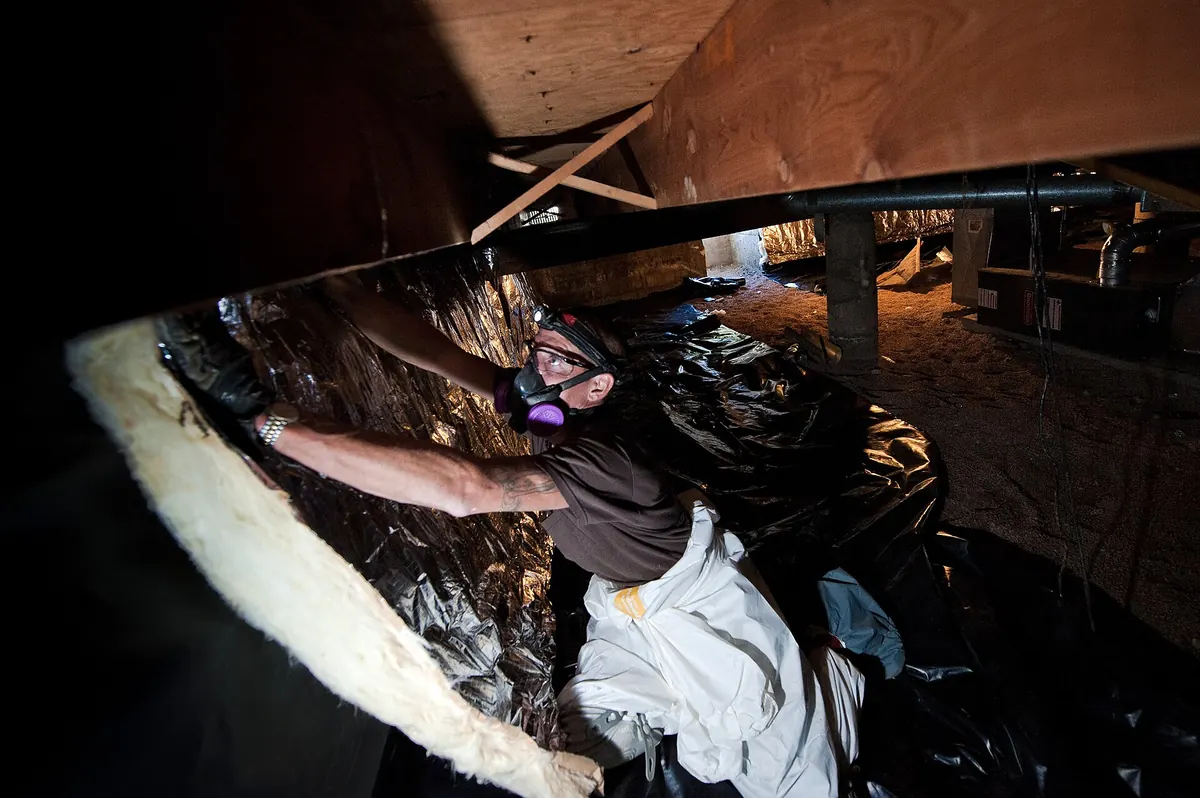
Crawl Space Mold Removal Services Across Sand Point
Growth is removed from your floor joists, reachable subfloor and other affected materials under the house. Before that cleaning begins, insulation and concealed moisture are checked.
Your crawl space cleanup combines containment, removal, cleaning and drying. Wood that remains sound stays when possible. Insulation that cannot be saved leaves in bags along a protected route.
Plumbing leaks and foundation vents are checked before cleaning, as are your crawl space's drainage and vapor barrier. The scope of work records cleanup and distinct moisture repairs in writing.
- Floor joist and subfloor cleaning
- Affected crawl space insulation removal
- Leak and ground moisture assessment
- Contained crawl space access
- Wood drying and final checks
When You Need Crawl Space Mold Removal
Have the area under your floors assessed for mustiness, growth or insulation that feels damp.
When Standing Water Covers the Dirt Floor
Water collecting by plumbing or after rainfall can prolong dampness in materials.
Mold on Floor Joists
Your joists or subfloor may have visible mold growth extending past the hatch.
Musty Crawl Space Odor
Near your hatch, repeated odors can accompany growth out of sight or wet materials.
Dampness Around the Moisture Barrier
Exposed soil that stays damp or water over a ripped barrier calls for moisture correction.
Hanging Crawl Space Insulation
Moisture below your floors may show through fallen insulation and nearby water stains.
How Crawl Space Mold Treatment Works
For your cleanup, assessment precedes contained removal. Cleaning comes next, then drying and verification.
Call and Crawl Space Assessment
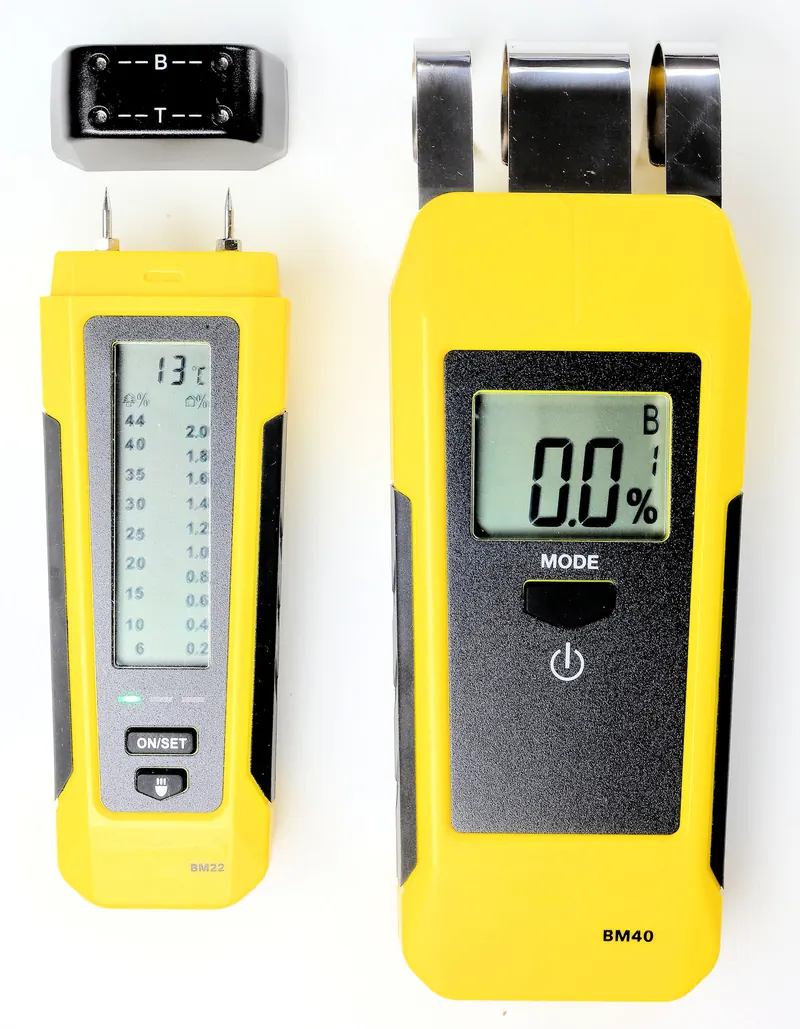
Damage and access are your initial call topics. A moisture meter maps dampness; a thermal imaging camera locates temperature differences but cannot identify mold.
Moisture Source and Scope
Plumbing, crawl space vents and ground moisture are assessed. Removal follows planning for leak repair, any drainage or sump pump work, and changes to crawl space ventilation.
Crawl Space Containment
At entrances to occupied rooms, a containment barrier is made from poly sheeting. Protective equipment works alongside a HEPA air scrubber and negative air pressure to curb particles spreading as work proceeds.
Damaged Insulation Removal
Bagging takes place within containment for unsalvageable insulation and other porous materials with damage. Affected subfloor is exposed through controlled tear out, keeping loose debris from being dragged through your home.
Joist and Subfloor Cleaning
Sound wood loses growth and residue through suitable surface cleaning and use of a HEPA vacuum. Physical cleaning remains necessary; antimicrobial treatment is an additional step when appropriate.
Controlled Crawl Space Drying
A crawl space dehumidifier supports the drying that follows cleaning, alongside air movers. Moisture readings track the wood as the water source is corrected before replacement of materials.
Post-Remediation Check
Cleaning, drying and agreed post-remediation verification are completed before containment comes down. If clearance testing is included, reopening the work area follows testing by an independent assessor.
Why Choose Seattle Mold Removal Services for Crawl Space Mold Removal
Crawl Space Moisture First
Your assessment traces plumbing leaks, ground moisture and condensation before cleaning begins.
Clear Scope and Contained Access
Your scope explanation comes first and includes containment plus HEPA filtration tailored to the affected space.
Calls Answered 24/7
One number gets your metro-area cleanup started, including during weekends and nights.
Removal Through Final Checks
Damaged insulation is removed, wood is cleaned and dried, and verification precedes containment removal.
Before Crawl Space Cleanup in King County
Leave affected materials undisturbed and call to arrange your assessment.
- Stay outside unsafe areas. Do not go into standing water or areas containing unstable framing or exposed wiring.
- Leave growth undisturbed. Brushing, sanding or scraping may send mold spores and dust into the air.
- Keep affected HVAC equipment off. Operating mold-contaminated HVAC equipment risks spreading mold, EPA warns.
- Restrict crawl space access. Children and pets must stay clear of both the work area and hatch.
- Act on recent water damage. Dry water-damaged items and areas within 24 to 48 hours to prevent mold growth, EPA advises.
Understanding Crawl Space Mold Removal Cost in Sand Point, WA
Published national price ranges show removal alone separately from removal with encapsulation. Dehumidifier installation is priced as another item. Your cost varies with material condition, access and the square footage affected.
Crawl space mold removal
$500 to $2,000 per jobSource: Fixr, Mold Remediation Cost (checked 2026-10-23)Mold removal added to a crawl space encapsulation job
$500 to $4,000 per jobSource: This Old House, Crawl Space Encapsulation Cost (checked 2026-10-23)Dehumidifier, installed
$800 to $2,000 per installSource: This Old House, Crawl Space Encapsulation Cost (checked 2026-10-23)What Changes Your Crawl Space Cleanup Cost
- Mold on joists and subfloor
- Wet soil or standing water
- Separate repairs or encapsulation
- Affected square footage and access
- Barrier and insulation condition
Your Price for Cleaning the Crawl Space
These published national ranges are planning figures. Your on-site assessment defines the work and price before cleanup starts, including any separate source repairs or rebuilding.
Call (844) 352-3560 about costCrawl Space Mold Removal Service Area Across Greater Seattle
Call (844) 352-3560 to arrange cleanup in Sand Point or nearby communities. One number covers the metro.
Crawl Space Mold Removal in Locations Near Sand Point
ZIP codes
Answers to Crawl Space Mold Removal Questions in Sand Point
Do floor joists and insulation have to come out?
Sound joists and subfloor can often be cleaned and dried in place. Remove unsalvageable moldy insulation after bagging. Cleaning cannot restore structural strength, so softened or deteriorated framing requires an assessment for repairs. Before work, your scope identifies what stays, where removal occurs and any rebuilding to be done separately.
What cleanup cost should you expect for a crawl space in King County?
Your price follows an assessment of the affected area, access and material condition. Published national ranges appear in the cost cards above alongside units and sources. Different work is described by removal on its own, encapsulation with removal added, and installing a dehumidifier. You learn the price and scope before any cleanup starts.
Are encapsulation or repairs to drainage part of the job too?
Your scope must list drainage repairs and encapsulation for inclusion, while moisture corrections are defined together with cleaning. A ground moisture barrier can form part of that plan. Existing growth and wet materials are addressed before covering surfaces, and separate plumbing or structural repairs remain distinct from cleanup.
Should testing take place before or after crawl space cleanup?
With visible mold, air sampling is frequently unnecessary according to EPA guidance. Accessible damage and the scope for cleanup are established through inspection and moisture checks. Cleaning and drying are checked before containment comes down. An independent assessor performs clearance testing when specified. There is no federal limit for mold levels indoors.
Can mold come back once the space has been cleaned?
Your crawl space may develop mold again if damp conditions continue. Cleanup follows an assessment that traces condensation, leaks and moisture in the ground. Cleaning and drying of wood include source corrections or identify those corrections as a separate job. Repairing an active water leak remains necessary even with a dehumidifier or moisture barrier.
In Sand Point, how much time does crawl space cleaning need?
Your schedule is set after the access route, affected wood and insulation are assessed. Growth spanning multiple floor bays and limited headroom increase the workload. Moisture readings guide drying, regardless of how surfaces look. Drainage fixes and plumbing repairs, together with final verification, also influence the timing for new insulation.
Can you stay home during work beneath the house?
You may be able to stay when occupied rooms remain separate from the work area and debris route. Hatch placement, shared ventilation and household needs determine restrictions. You may need to relocate temporarily. Access and any interruption of affected heating or cooling equipment are established during your assessment ahead of putting containment up.
Understanding Washington Insurance for Crawl Space Cleanup
Homeowners insurance coverage depends on the moisture cause, policy exclusions, mold limits and deductible. Cleanup, drainage repairs and rebuilding may receive different coverage decisions.
Crawl Space Mold Safety in Greater Seattle
Containment restricts spreading particles during checks of your framing.
Sensitive Occupants
According to CDC, some people can experience allergy and asthma symptoms triggered by mold.
Crawl Space Wood Rot
Decayed framing cannot be restored through cleaning; arrange a building assessment for suspected structural damage.
Crawl Space Access Hazards
Standing water, wiring and low clearance affect safe entry and equipment placement.
Mold Color
CDC explains that you cannot judge a mold's risk from its color.
Cleanup scope: EPA says you can often clean areas below about 10 square feet yourself, but access risks remain regardless of size. Professional assistance is needed with larger areas or HVAC systems and with mold from sewage or contaminated water.
Crawl Space Materials Cleaned or Removed in King County
Your damaged porous materials may come out; sound framing is cleaned whenever possible.
Wood framing and subfloor
- Deteriorated framing requires assessment for repairs, while sound wood undergoes cleaning and drying.
Insulation and debris
- Insulation beyond recovery and affected items in storage are placed in bags for removal.
Non-porous surfaces
- Clean reachable metal and remove damaged barrier sections if the scope includes that removal.
How Long Crawl Space Cleanup Takes in King County
Drying, access, the amount removed and post-remediation repairs shape your schedule.
- Access: Removal takes more work in distant bays with low clearance.
- Wood moisture: Moisture readings establish when replacement insulation can be installed.
- Completion: Job completion depends on water-source repairs and the final verification.
Odor and Crawl Space Humidity in Sand Point
Odor is investigated with material and moisture checks. Fragrance does not remove its source.
Use your moisture assessment to guide crawl space humidity control. EPA puts the ideal indoor relative humidity at 30 to 50 percent and recommends a level below 60 percent.
Your Washington Crawl Space Work Requirements
Crawl Space Work Requirements
The Washington Department of Health says the state has no specific certification requirements for mold or water damage restoration. It suggests confirming any contractor's registration, bond and insurance, which you can check on the Department of Labor and Industries (L&I) contractor lookup.
Repair Permits
Permit requirements depend on the structural, plumbing or electrical work included.
Rental Crawl Spaces
Washington's Department of Health says renters can report building problems that cause moisture to their county or city building code enforcement office. It also notes that those offices may not respond to mold complaints themselves, so the water source is the key issue.
State Mold Information
The Washington State Department of Health publishes a Mold fact sheet and renter and landlord mold guidance. It says you usually do not need to sample for mold because it can be seen or smelled, and it suggests a professional for large or hidden areas.
State guidance: WA Department of Health, Identifying an Unknown Indoor Air Quality Problem (hiring a contractor); WA Department of Health, Mold fact sheet (PDF); WA Department of Health, Mold for renters and landlords; RCW 59.18.060 Landlord duties; WA Labor and Industries, Hiring a Contractor
Related Services and Next Steps
Start Your Crawl Space Mold Removal in Sand Point
Call 24/7 to arrange your assessment. Your cleanup starts with the affected surfaces, moisture source and access to your home.